
Using iNaturalist to identify wildlife
iNaturalist is a great way to learn to identify wildlife species through photography.
The platform uses image recognition to suggest an identification. Once a wildlife photo is submitted, thousands of nature enthusiasts and experts across the world cross-check and confirm the identification.
Three ways to use iNaturalist:
|
|
| ||
1. Learn about living things in your area | 2. Regularly monitor your local wildlife | 3. At a celebratory BioBlitz event | ||
Use the iNaturalist map | Go on regular walks around your site and record what you see. This builds a long-term view of wildlife on your site and how it changes over time. | Organise a day to record as many different living things as you can. This is great for building excitement or kick-starting your wildlife monitoring journey. |
Getting to know your space
Recording change
Useful resources
Become part of a nature research network
By creating an iNaturalist account and linking it to the Nature Park (see how-to guide), your observations can be used by researchers to measure changes in biodiversity across the education estate.
“We know surprisingly little about nature living on school grounds across England. By taking part in the programme, learners have already uncovered orchids, rare moths, hedgehogs, and even badgers living on their sites! I can’t wait to see what else we’ll find - and to learn which species are most common in learning spaces."
- Dr Victoria Burton, post-doctoral researcher on the National Education Nature Park
Create a baseline of what is living on your site and track how this changes over time with improvements you make. Map the habitat changes you’ve made on the Tracking Changes tool and carry out nature surveys or use iNaturalist before and after you make changes. This will allow you to measure your impact year-on-year.
Explore your wildlife observations
Take a look at your findings on the Nature Park Map. Then, add other layers to see how your iNaturalist observations compare with other biodiversity, environmental or nature connection results on your site.
Your observations will automatically appear on the Map if you have created an iNaturalist account following the how-to guide.
See the wildlife photos taken by Nature Park schools here.
|
|
|
|
|
|
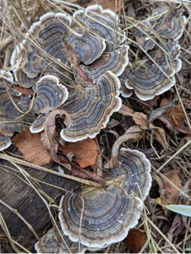
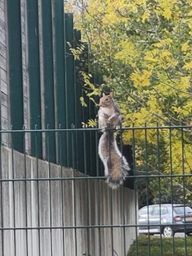
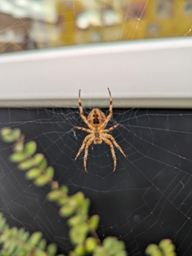
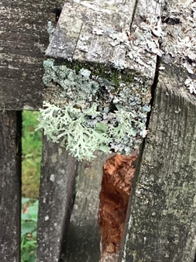
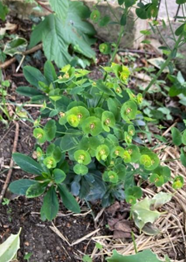
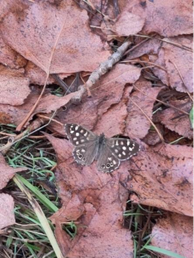
Above are a selection of iNaturalist photos taken by young people in their settings.
Top row:
Turkey-tail fungus (Trametes versicolor) by Eagley Junior School
Grey squirrel (Sciurus carolinensis) by St Bartholomews School
Cross Orb-weaver spider (Araneus diadematus) by Corrie Primary & Nursery School
Bottom row:
Lichen (Evernia prunastri) by St Bartholomews School
Wood Spurge (Euphorbia amygdaloides) by Tufnell Park Primary School
Speckled Wood butterfly (Pararge aegeria) by St Bartholomews School